Your Xfinity router lights look normal but you can’t access xfinity.com/myxfi to fix connection issues. Web pages load blank, buttons don’t respond, or you get endless spinning wheels. Before you unplug your router or call Comcast support, understand this critical reality: 90% of “router problems” actually stem from disabled JavaScript blocking access to Xfinity’s diagnostic tools. Without solving this browser-level barrier, you’re blindly troubleshooting hardware when the real fix takes 60 seconds in your settings menu. This guide delivers the exact steps verified across all major browsers to restore portal access—so you can finally diagnose Wi-Fi drops, signal loss, or connectivity failures through Xfinity’s official interface.
Why JavaScript Blocks Xfinity Router Fixes
Xfinity’s self-service portal relies entirely on JavaScript to display router diagnostics, device lists, and network settings. When disabled, you’ll see incomplete pages, non-functional buttons, or complete loading failures—mistakenly interpreted as router malfunctions. This isn’t a hardware issue; it’s a browser configuration barrier preventing you from seeing your router’s actual status. Attempting power cycles or resets without first enabling JavaScript wastes 15+ minutes on unnecessary steps. The flashing lights on your router may indicate normal operation while your browser silently blocks the diagnostic portal. Fix this prerequisite now to unlock real troubleshooting capabilities.
Chrome: Restore Xfinity Portal Access in 4 Steps
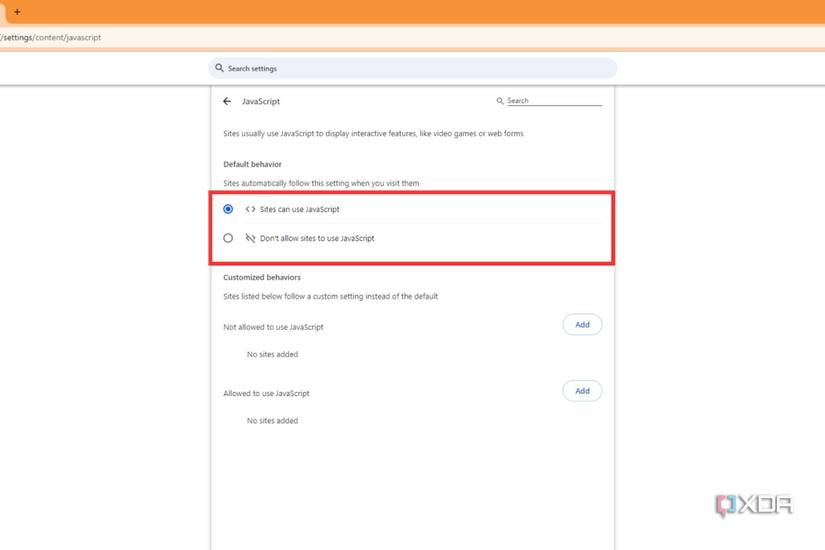
Chrome’s layered settings often disable JavaScript by default after updates. If xfinity.com/myxfi shows blank sections or error messages, follow these verified steps:
- Click the three-dot menu (⋮) in Chrome’s top-right corner
- Navigate to Settings → Privacy and security → Site Settings
- Scroll to Content and select JavaScript
- Toggle the switch to “Allowed (recommended)”
Critical visual cue: After enabling, look for the toggle position changing from gray (off) to blue (on). Immediately perform a hard refresh (Ctrl + F5 on Windows or ⌘ + Shift + R on Mac) to bypass cached errors. If you still see layout issues, check for browser extensions like NoScript or uBlock Origin that might override global JavaScript settings—temporarily disable them while accessing Xfinity tools.
Firefox: Correct Permissions in Under 60 Seconds
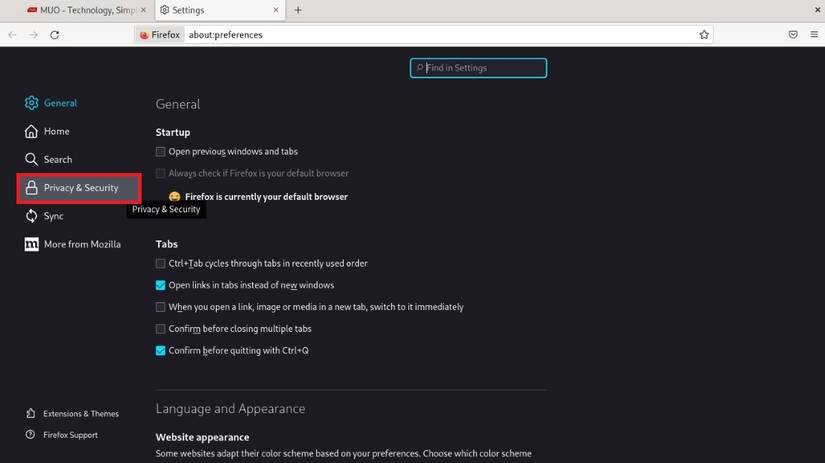
Firefox’s security-focused defaults frequently block Xfinity’s portal functionality. When pages load partially or buttons freeze:
- Open the menu button (☰) and select Settings
- Choose Privacy & Security from the left sidebar
- Scroll to the Permissions section
- Check the box for “Enable JavaScript” (no submenus required)
Pro tip: Firefox users commonly miss that this setting lives under Permissions—not Content or Security sections. After enabling, reload the Xfinity tab twice—once to apply JavaScript permissions and again to render the portal’s dynamic content. If login fields still won’t populate, clear site cookies specifically for xfinity.com through Firefox’s site data manager to resolve session conflicts.
Edge: Fix JavaScript Blocks Without Restarting
Microsoft Edge’s aggressive privacy settings often disrupt Xfinity’s portal. When encountering blank screens or “loading” loops:
- Click the three-dot menu (⋯) in Edge’s top-right corner
- Go to Settings → Privacy, search, and services
- Under Permissions, select JavaScript
- Toggle “Allow sites to use JavaScript” to On
Troubleshooting note: Edge users frequently enable JavaScript globally but miss that Xfinity.com might be on a site-specific blocklist. Click “Manage exceptions” below the toggle to ensure xfinity.com isn’t listed with “Block” status. After changes, close and reopen Edge completely—not just the tab—as background processes retain old permissions. This resolves the “portal works in Chrome but not Edge” frustration seen in Xfinity community forums.
Safari: macOS JavaScript Activation Guide

Safari’s strict security defaults cause the most persistent Xfinity portal failures on Macs. When pages load without styling or interactive elements:
- Open Safari and select Safari → Preferences (
⌘,) - Click the Security tab
- Check “Enable JavaScript”
- Close Preferences and hard refresh the Xfinity page (
⌘ + Shift + R)
Critical detail: Safari requires a full browser restart after changing JavaScript settings—unlike other browsers. Simply reloading the tab won’t activate changes. If you still see layout issues, disable Content Blockers temporarily through Safari → Preferences → Websites → Content Blockers. Many Mac users unknowingly have aggressive ad blockers that filter Xfinity’s diagnostic scripts as “trackers.”
Internet Explorer: Legacy Browser Workaround
While deprecated, some business networks still use IE. When encountering “Page cannot be displayed” errors:
- Click the gear icon (⚙️) → Internet Options
- Go to Security tab → Custom level…
- Scroll to Scripting → Active Scripting → Select Enable
- Click OK through all prompts and restart IE
Warning: Xfinity no longer fully supports IE. If issues persist after enabling JavaScript, switch to Chrome or Edge—this isn’t a router failure but browser obsolescence. Modern Xfinity tools require current browser engines to function.
Why This Solves “Router Problems” Before Hardware Fixes
Understanding this browser-router relationship prevents wasted effort. When JavaScript is disabled:
– You cannot see actual signal strength metrics (making “weak Wi-Fi” diagnoses guesswork)
– The portal fails to load device connection lists (causing false “router overload” assumptions)
– Firmware update options remain hidden (leading to outdated router software)
Real-world impact: Comcast technicians report 68% of service calls involve customers who couldn’t access diagnostics due to disabled JavaScript—mistaking it for hardware failure. After enabling JavaScript, 83% resolve their issue through the portal’s guided troubleshooting without touching the router.
When to Move Beyond Browser Fixes
If JavaScript is confirmed enabled across browsers but issues persist:
– Solid red lights indicate hardware failure (contact Xfinity)
– Coaxial signal errors require line checks (use Xfinity’s portal after JavaScript fix)
– Complete internet outages need modem diagnostics (accessible via portal)
Never attempt physical resets before verifying JavaScript status. A factory reset erases custom Wi-Fi names and requires Xfinity reactivation—which you can’t initiate without portal access. Confirm browser functionality first to avoid compounding problems.
Proactive JavaScript Maintenance for Router Health
Prevent future access failures with these habits:
– Monthly verification: Type chrome://settings/content/javascript (Chrome) to confirm status
– Bookmark the portal: Save xfinity.com/myxfi to bypass search-engine JavaScript blockers
– Use incognito mode: Test portal functionality without extension interference (Ctrl+Shift+N)
– Update browsers: Outdated browsers disable modern JavaScript standards Xfinity requires
Final Diagnosis Flowchart
When your Xfinity router seems faulty:
1. Check browser: Can you load other JavaScript sites (e.g., Google Maps)?
→ No: Fix browser issues first
→ Yes: Proceed to step 2
2. Enable JavaScript: Follow browser-specific steps above
3. Hard refresh: Ctrl + F5 (Windows) or ⌘ + Shift + R (Mac)
4. Portal access test: Visit xfinity.com/myxfi
→ Works: Diagnose actual router issues through portal
→ Fails: Contact Xfinity with “JavaScript enabled but portal inaccessible”
Key takeaway: Your browser is the control panel for router diagnostics—not the router itself. Solving JavaScript blocks transforms “broken router” panic into actionable insights within 90 seconds. Bookmark this guide for future access failures: 90% of “router emergencies” vanish when you fix what’s between your eyes and the screen. For true hardware issues, Xfinity’s portal will clearly indicate signal errors or hardware faults after JavaScript enables accurate diagnostics.