The distinctive hum of a Bosch router transforming raw wood into precision-crafted pieces is music to any woodworker’s ears. Whether you’re trimming laminate edges with surgical precision or cutting perfect dados for your bookshelf project, mastering your Bosch router opens up endless creative possibilities. This guide cuts through the confusion to show you exactly how to use a Bosch router safely and effectively—no prior experience required. Discover why woodworkers consistently choose the Bosch Colt model for its compact design, variable speed control, and exceptional versatility that makes complex routing tasks surprisingly accessible.
Router Components and Setup Essentials
/page_1.jpg)
Before powering up your Bosch router, familiarizing yourself with its anatomy prevents frustrating errors and ensures clean, professional cuts from your very first project. The Bosch Colt’s palm-grip design delivers remarkable control while its clearly marked adjustment points eliminate guesswork during setup.
Critical Parts Identification
Your router’s performance depends on understanding each component’s function. The motor housing contains the powerful 1-hp motor with variable speed dial—crucial for matching RPM to different bit types and materials. The transparent acrylic base plate provides unobstructed visibility of your cut line, while the depth adjustment ring allows micro-precision in 1/64-inch increments. Don’t overlook the spindle lock button that enables quick bit changes with a single wrench, or the adjustable edge guide that transforms freehand routing into repeatable precision work.
Foolproof Assembly Process
Follow these steps for proper setup: First, insert your router bit shank fully into the collet, then pull it back approximately 1/8 inch to prevent binding. Hand-tighten the collet nut before applying the wrench—this prevents cross-threading. Set your cutting depth by rotating the adjustment ring until the bit tip aligns with your pencil mark on the workpiece. Always hand-spin the bit to verify clearance before plugging in. This simple test prevents accidental contact with your work surface during startup.
Critical Safety Measures Before First Cut
Routers operate at dangerous speeds—up to 35,000 RPM on many Bosch models—making safety non-negotiable. Skipping proper precautions risks serious injury and guarantees poor results, while proper preparation ensures both your safety and professional-quality cuts.
Mandatory Protective Gear
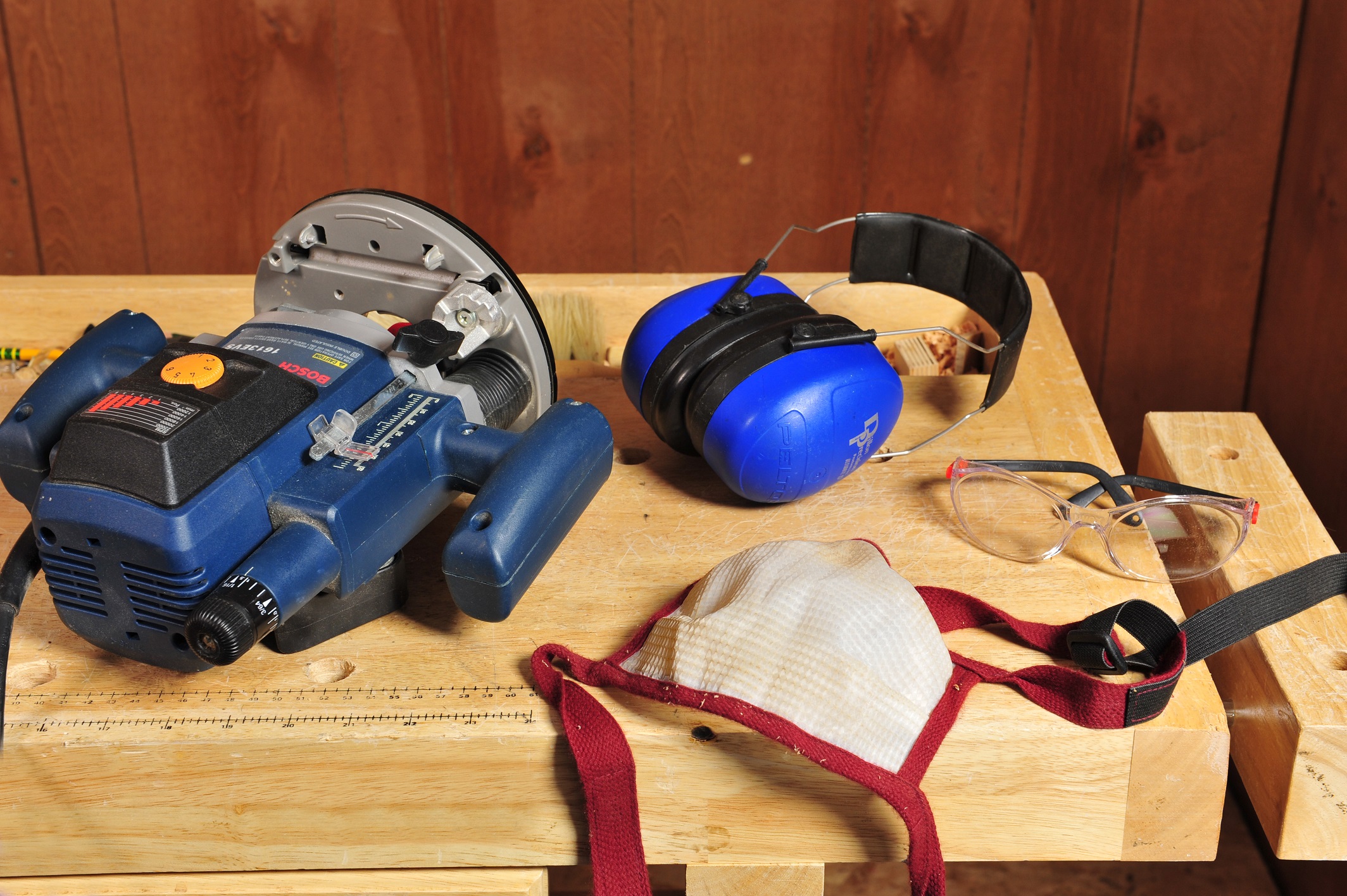
Your eyes need wraparound, impact-rated safety glasses—not regular eyewear—to block flying wood chips from all angles. High-decibel noise demands hearing protection; foam earplugs work for short sessions, but earmuffs provide better protection during extended routing. An N95 dust mask is essential when working with MDF or hardwoods that produce harmful fine particles. Use thin, grippy work gloves only during bit changes—never while operating the router.
Workspace Safety Checklist
Clear a three-foot radius around your work area of all obstacles and tripping hazards. Secure your workpiece with bar clamps or a non-slip router mat—never attempt to hold small pieces by hand. Verify bit rotation direction (typically clockwise when viewed from above) and ensure your cutting path avoids power cords. Position yourself with a stable stance, maintaining three points of contact for maximum control during cuts.
Mastering Basic Router Operations
Starting with simple edge routing builds the muscle memory and confidence needed for advanced projects. The Bosch Colt’s lightweight design reduces fatigue while providing exceptional control for beginners learning fundamental techniques.
Step-by-Step Edge Routing Technique
Mark your cut line clearly with a pencil and straightedge. Set bit depth to cut approximately 1/8 inch deeper than your material thickness to ensure complete trimming. Position the router with the entire base plate flat against the workpiece before starting the motor. Allow the router to reach full speed before contacting the wood—this prevents kickback. Feed the router steadily against the bit’s rotation (typically left to right when routing the edge of a board facing you). Maintain consistent pressure downward and forward for smooth results.
Avoiding Costly Beginner Mistakes
Pushing too aggressively creates burn marks and rough surfaces—let the bit do the work at a comfortable pace. Never attempt to remove more than 1/8 inch of material in a single pass; multiple light cuts produce cleaner results with less strain on your router motor. Cutting in the wrong direction (with the bit rotation) causes loss of control and dangerous kickback. Always consider wood grain direction—routing against the grain causes tear-out, so adjust your cutting direction accordingly on different board edges.
Edge Guide Precision Setup Guide

The Bosch edge guide transforms freehand routing into precision joinery, enabling perfectly parallel cuts for dados, rabbets, and decorative edges every time.
Proper Edge Guide Installation
Slide the guide rods through the router base until they’re flush with the mounting points. Tighten thumb screws with moderate pressure—over-tightening can strip plastic threads. Test the guide by moving it back and forth; it should slide smoothly without wobble. For repeatable setups, mark the guide rod positions with a permanent marker before disassembly.
Accurate Measurement Techniques
Measure from the edge of the bit to the guide fence using a steel ruler for precision within 1/64 inch. For inside cuts, measure from the bit’s cutting edge; for outside cuts, measure from the bit’s outer diameter. Always lock the fence securely before cutting—router vibration can shift loose settings mid-operation. Verify measurements by making test cuts in scrap wood matching your project material.
Essential Bit Selection and Installation
Choosing the correct router bit determines whether your project succeeds or fails. The Bosch Colt accommodates both 1/4-inch and 1/2-inch shank bits, with 1/4-inch being standard for this model.
Must-Have Starter Bits
Begin with a flush trim bit for copying patterns or templates, a 1/4-inch roundover bit for professional-looking edges, a 1/2-inch straight bit for dados and grooves, and a 45-degree chamfer bit for decorative edges. Always match bit size to your router’s capacity—overloading causes poor cuts and motor strain.
Secure Bit Installation Procedure
Unplug your router before any bit changes. Insert the bit shank fully into the collet, then pull back 1/8 inch to prevent expansion issues. Hand-tighten the collet nut before using the wrench to avoid cross-threading. Apply firm, even pressure with the wrench—over-tightening damages the collet. Always hand-spin the bit after installation to verify clearance before powering on.
Depth Control for Perfect-Fitting Joints

The Bosch Colt’s micro-adjustment system enables precision within 1/64 inch—critical for creating joints that fit together seamlessly without gaps.
Advanced Depth Setting Methods
For visible edges, measure from the bit tip to the base plate using a depth gauge. For stopped cuts (those that don’t run the full length of a board), create a test piece from identical material to determine exact depth. Mark your final depth setting with colored tape on the router body for quick reference during production work. Always measure from the same reference point consistently.
Multi-Pass Cutting Strategy
Never remove more than 1/8 inch of material per pass—even with powerful routers. Increase bit exposure gradually across multiple passes to prevent motor strain and produce cleaner cuts, especially in hardwoods. This technique reduces heat buildup that dulls bits prematurely and prevents tear-out on delicate materials.
Troubleshooting Common Routing Problems
Quick diagnosis of routing issues saves wasted materials and project delays. These solutions address the most frequent Bosch router challenges encountered by woodworkers.
Eliminating Burn Marks and Chatter
Burn marks appear as dark streaks along your cut edge and indicate excessive friction. Causes include a dull bit, incorrect speed setting, or pushing too slowly. Solutions: Replace worn bits immediately, reduce RPM for larger diameter bits, and increase your feed rate to match the bit’s capabilities. Always use sharp, appropriate bits for your material type.
Preventing Tear-Out on Delicate Woods
Tear-out manifests as splintered edges, especially where the bit exits the workpiece. This occurs when routing against the wood grain or without proper support. Solutions: Score your cut line with a utility knife first, use a backing board under the exit point, and adjust your cutting direction to follow the grain whenever possible.
Daily Router Maintenance Routine
Proper care extends your Bosch router’s lifespan and maintains peak performance for consistently professional results.
Essential Post-Use Procedures
After each session, blow out dust with compressed air—pay special attention to the collet area and vents. Check the collet for debris before changing bits. Wipe the base plate clean with a microfiber cloth to prevent scratching future workpieces. Store your router in a dry location with bits removed to prevent accidental damage.
Monthly Performance Check
Remove the base plate and clean thoroughly with a soft brush. Apply dry Teflon spray to depth adjustment threads for smooth operation. Inspect the power cord for damage or wear, especially near the plug and router body. Replace carbon brushes when you notice reduced power or unusual sounds—this simple maintenance prevents costly motor repairs.
Advanced Routing Projects to Try
Once comfortable with basics, expand your skills with these intermediate projects that showcase professional techniques.
Creating Perfect Shelf Dados
Mark dado locations precisely on both workpieces. Set your edge guide to match the exact shelf thickness minus 1/64 inch for a snug fit. Make multiple shallow passes, increasing depth gradually until reaching your final measurement. Clean up dado corners with a sharp chisel for crisp, professional-looking joints that support heavy loads.
Template Routing for Repeatable Shapes
Create durable templates from 1/4-inch MDF using your router’s flush trim bit. Attach templates with double-sided tape for secure adhesion without residue. Use a bearing-guided bit with the bearing riding against the template for identical copies every time. This technique enables professional-looking curved edges on multiple pieces with minimal effort.
Mastering how to use a bosch router transforms woodworking from frustrating trial-and-error into precision craftsmanship. Start with simple edge profiling on scrap wood to build confidence, then gradually advance to complex joinery as your skills develop. Remember: sharp bits, proper setup, and patient technique produce professional results every time—never rush the process when routing. With consistent practice using these techniques, your Bosch router will become the most versatile and frequently used tool in your workshop.